
David Taub “Nishmati” Now In Vocal Version
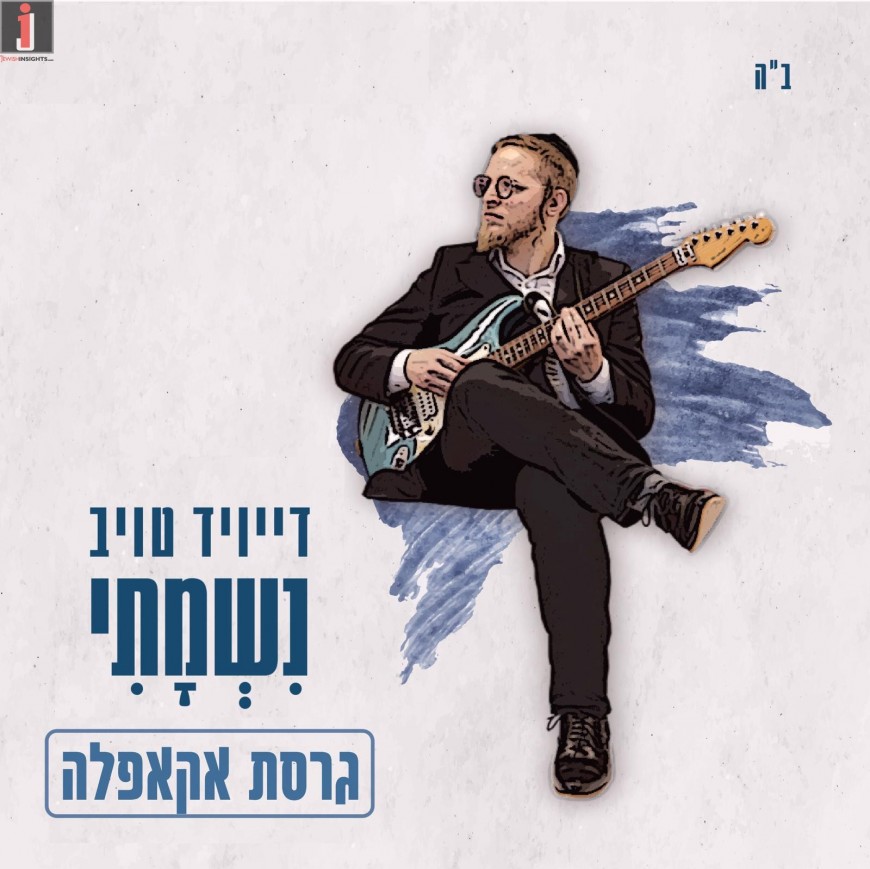
Earlier this year, singer and composer David Taub released a song for Yomim Noriom titled “Nishmati“. Taub composed an exciting ballad from the morning’s first tefilla. He chose to put out a song in a field close to his heart this morning. “My connection to the song was created from the simple place of thanking Hashem every morning for being healthy and whole.”
The original song, accompanied by a clip that featured a boy as a presenter for the morning wake-up order. The choice of a child is not accidental and signifies the innocence and simplicity of a daily gratitude-filled situation for the king of the world, for the most obvious. The song was very successful, so much so that it became the morning anthem next to a lesson on the daily page, on live radio. So, they asked for a vocal version to be used during Sefira.
Singer and composer David Taub (28), who sells to many of the productions and events in which he serves as lead singer and performs with well-known bands at reputed events. The voice of the nightingale and the authentic Chassidic touch accompany his music in all stages of her work, and his precise musical taste is also felt in his adaptations to other singers.

Related Articles

Just Before The Album: Avrumi Releases Powerful Pop Single “Vay Lon”
Just before the launch of his new album—set for release in the coming weeks Iy’H, Avrumi Weinberg releases the album’s

Avraham Azar Hosts Eliyahu Leifer & Meir Brickman In An Energetic Dance Medley – “Dance-Succot”
In anticipation of the upcoming Sukkot holiday, keyboardist and arranger Avraham Azar launches “Dance-Succot“—a unique project featuring a diverse, energetic,
Moshe Krishevsky & The Malchut Choir Release A New Single: “Asah, V’oseh, V’ya’aseh”
Singer Moshe Krishevsky, together with the Malchut Choir, launches a new rendition of the words “Asah, V’oseh, V’ya’aseh“—part of the
